Problem
FIRST needed a site refresh allowing them to update their content without having to pay a web development vendor to do the work. Also, the site information architecture needed to be simplified so ichthyosis patients can find the information needed to manage their condition. In addition, because ichthyosis is a rare disease, the number of medical professionals with the ability to diagnose and treat the condition is limited. Researchers needed access to the current clinical research efforts, and the opportunities to partner with FIRST for funding and test subject recruitment assistance.
Process
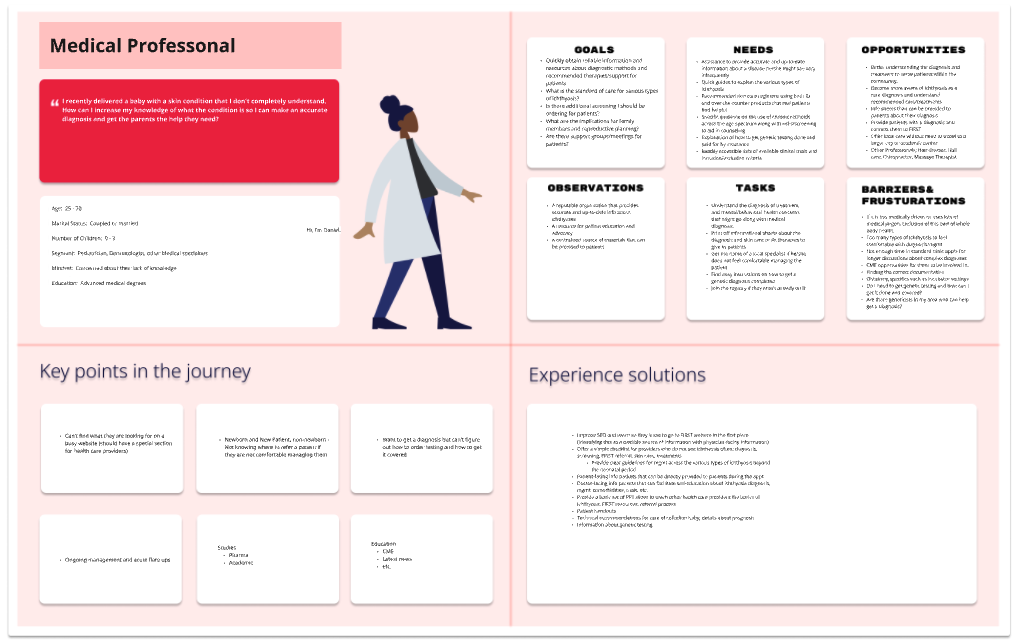
This project required me to lead the UX process from discovery through delivery. Because ichthyosis affects a small population and FIRST serves distinct audience types — patients, caregivers, medical professionals, and researchers — I needed a clear picture of each group’s needs before making any structural decisions about the site.
I started with stakeholder and audience research to build personas for each user type, then developed a content strategy that shaped how we would speak to each audience. That strategy informed the new site architecture, which I translated into wireframes for each unique page template and handed off to our creative lead, who developed the visual design language and applied it to the templates. I also served as the de facto product manager, owning the requirements documentation and keeping the work organized across disciplines.
Once the technical framework was in place, I created a content mapping document for every page on the site map, auditing what existed, identifying what could be repurposed, and flagging gaps. I then built 90% of the pages in WordPress directly. I also developed a tagging strategy to surface related content contextually as users moved through the site, and led QA and acceptance testing through to launch.
Research
Research participants were limited given how rare the condition is, so my research drew from a combination of sources: FIRST staff and board members, my primary client contact (herself a patient and parent of a child with ichthyosis), two members of their Medical and Scientific Advisory Board (MSAB), and an ichthyosis researcher. While I would have preferred broader patient representation, these conversations surfaced several insights that directly shaped the design.
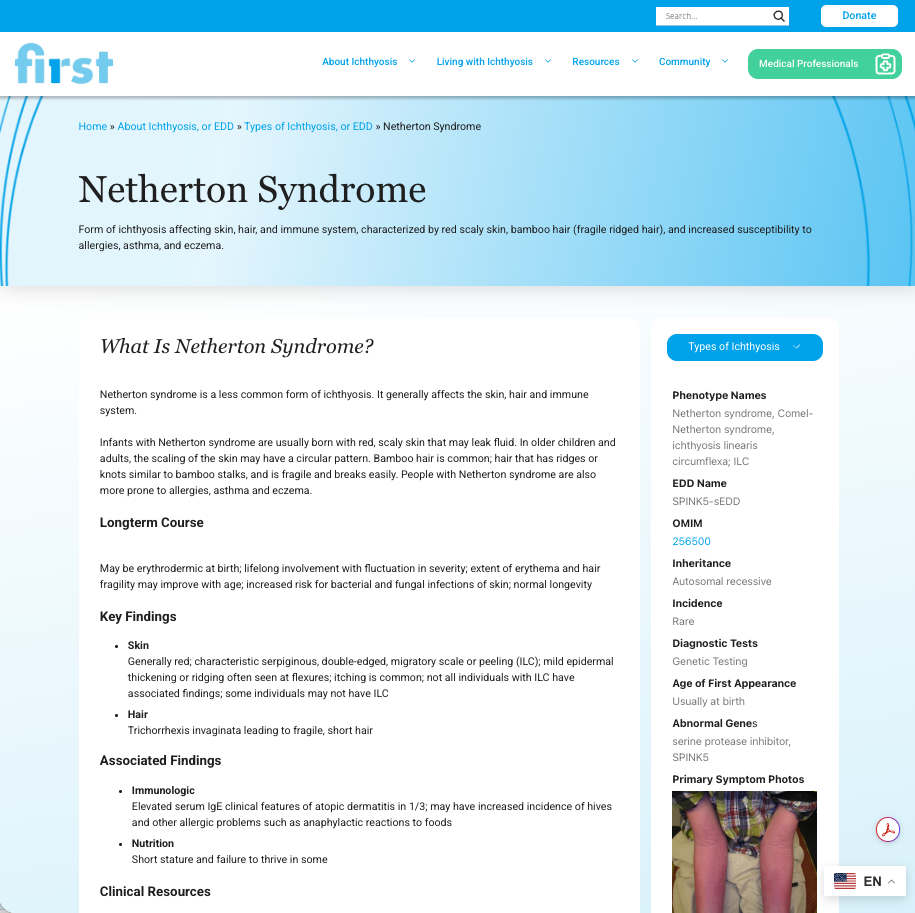
The most significant finding was how differently patients and medical professionals use the same information. Physicians wanted clinical detail but were also genuinely interested in patient stories — how people actually live with the condition day to day. Patients, meanwhile, will seek out every piece of information they can find about their specific type. The old site maintained separate versions of the “Types” pages for each audience, but I recommended consolidating them into a single structure: clinical information first, followed by patient stories and practical management examples. This served both audiences without duplicating content.
The old site made ‘New Parents’ content accessible from a home page link; expanding that into four dedicated Life Stage landing pages made a meaningful difference in how patients could navigate to content relevant to where they were in life.
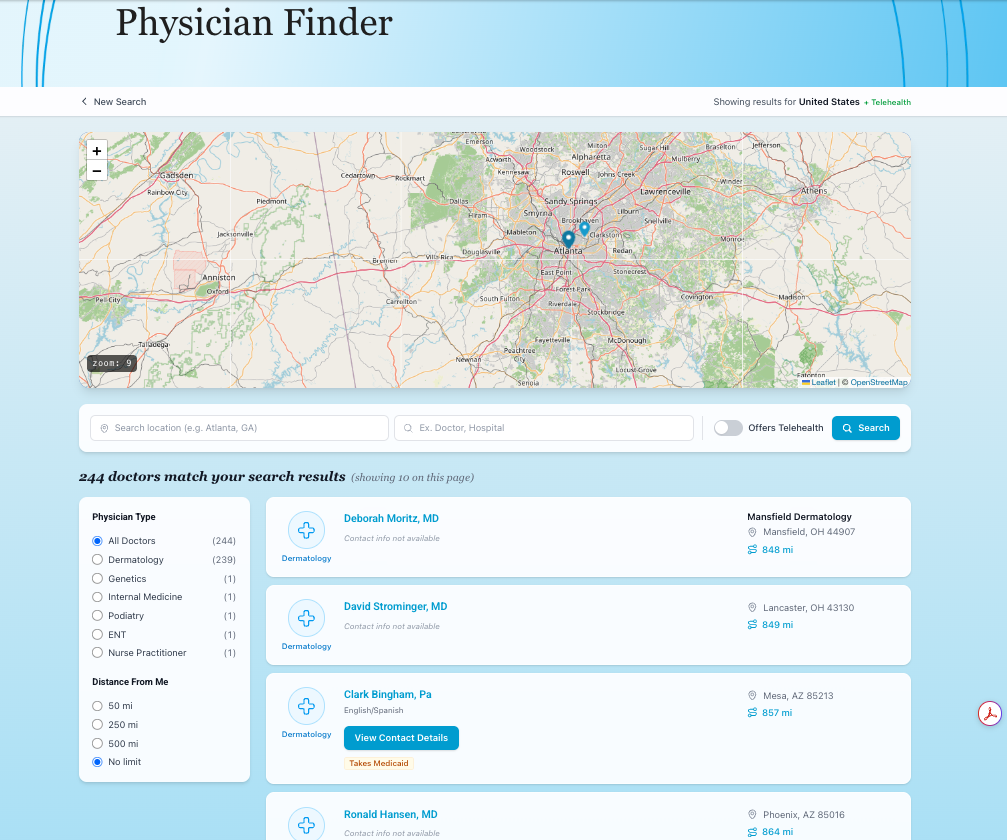
Two other needs emerged clearly: patients had accumulated a wealth of anecdotal product recommendations within the FIRST community, but the foundation needed to present these carefully — without implying clinical endorsement. The result was a dedicated Product Recommendations page with appropriate disclaimers. And given the scarcity of physicians with deep ichthyosis expertise, telehealth was a significant unmet need. We added telehealth as a search option in the Physician Finder to address this directly.
Solution
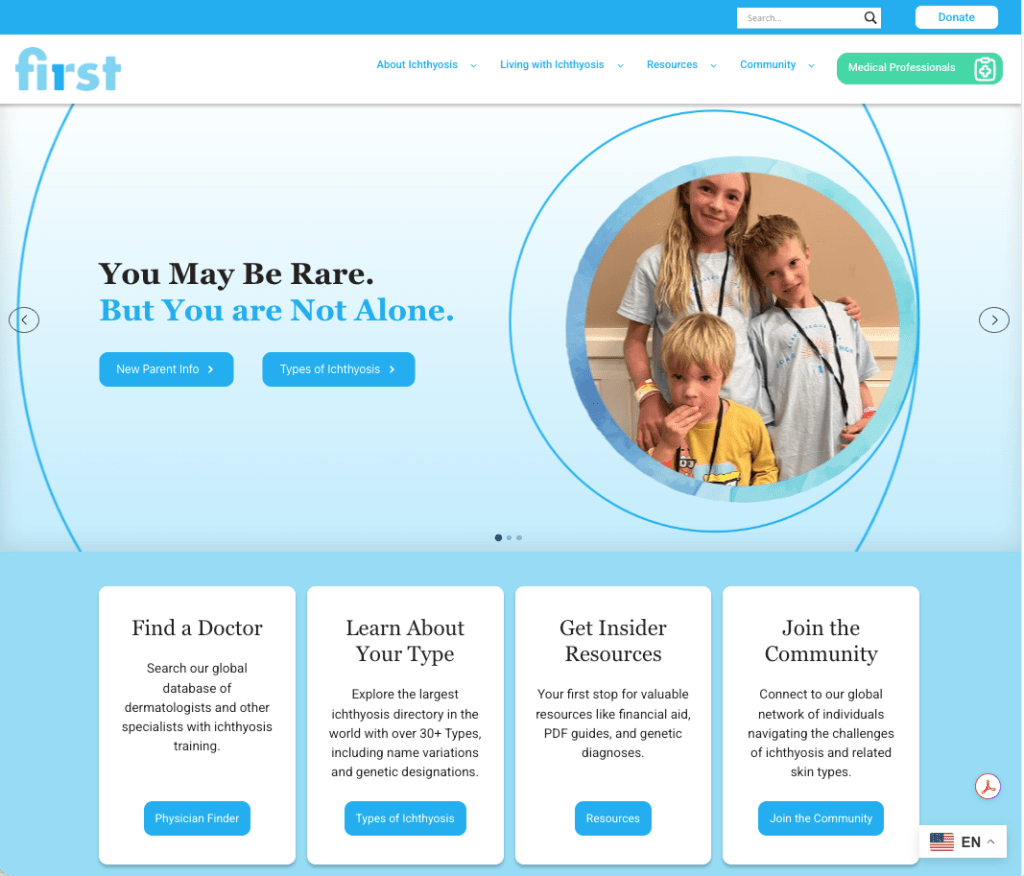
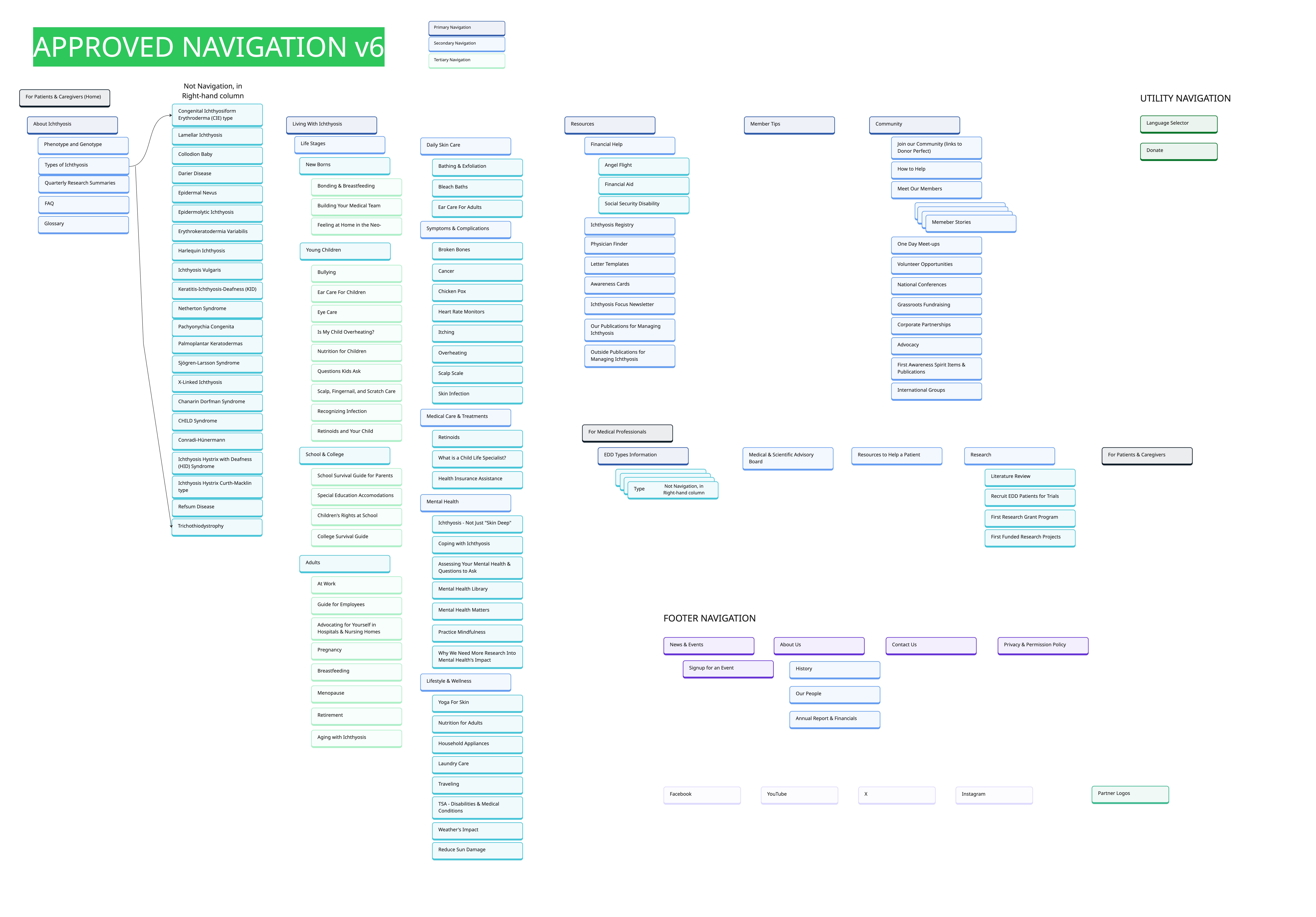
The central structural decision was segmenting the site by audience. The site has a shared home page, but patients and caregivers and medical professionals each have a dedicated section with content framed for their context, surfaced prominently from the main navigation. A good example is the “Types of Ichthyosis” pages: each audience section has its own entry point tailored to their needs, both linking through to the same shared Type detail pages underneath.
This “page pairs” pattern applied elsewhere too. A patient-facing page explains how to participate in clinical trials; a parallel page for professionals covers how to partner with FIRST for subject recruitment. Same topic, different lens.
Within the patient section, content is organized into three distinct areas. Life Stages surfaces foundation and MSAB recommendations organized by where someone is in life — parent of a newborn, young children, school and college aged, adult. Living with Ichthyosis is more navigational, covering the practical realities of managing the condition day to day. And all community content — member stories, peer support — is consolidated in one place rather than scattered across the site.
Outcomes
The site launched in early May 2026, so quantitative traffic data is still early, but initial signals are encouraging. Following the launch announcement, FIRST received positive responses from both donors and the broader membership. The enhanced Physician Finder — now searchable by specialty, pediatric or adult focus, telehealth availability, and international location — has already prompted physicians to submit updated clinic information and new providers to add themselves to the directory, suggesting the improvements are reaching the right audience.
The client, staff, and board response has been strong enough that additional funding has been identified for follow-on work.
Delivered features include:
- Migration to WordPress, enabling the FIRST team to manage content independently
- Enhanced Physician Finder with telehealth, specialty, patient age focus, and international search
- Dedicated sections for medical professionals and clinical trial partners
- Patient and caregiver content organized by Life Stage
- Member product recommendations with appropriate disclaimers
- Updated Ichthyosis Types pages, plus two newly documented types
- Simplified access to member stories
- Language support expanded from 3 to 9 translations